
In Focus sessions from the Global Summit on Economic Abuse
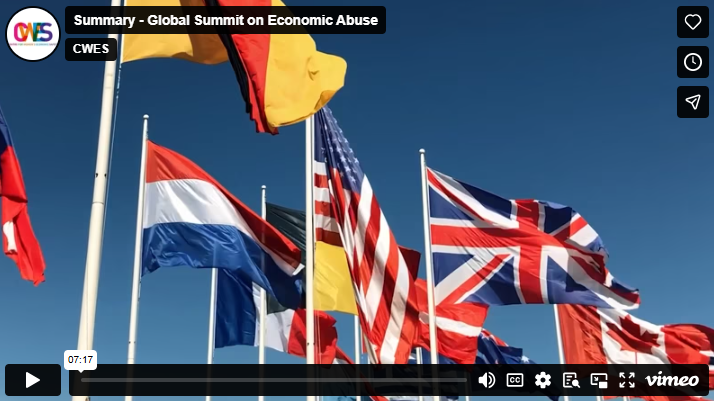
On 18th November 2025, The Global Summit on Economic Abuse united changemakers from around the world - specialist NGOs, financial institutions, debt and money advice services, advocates, researchers, survivors, lawyers, practitioners, and policymakers - for a powerful day of action and insight. Together, we explored what can be done at both the systemic and social levels to support victim-survivors and stop economic abuse from happening.
Hosted online to ensure global accessibility, the summit set out the landscape and stakeholders working to end economic abuse, highlighting best practice responses including innovative cross-sector collaborations aimed at addressing one of the most pervasive yet often overlooked forms of abuse.
Through compelling keynote speeches and dynamic expert panels, participants discussed how economic abuse operates across different cultural and legal contexts, the urgent need for cross-sector collaboration, and what it takes to support long-term economic independence for survivors.
In Focus Sessions:
What is Economic Abuse?
In this session, Professor Adrienne Adams from Michigan State University tells us, in conversation with Surpiya Singh, a sociologist in money, what economic abuse is, what it looks like in practice and how it differs according to context. She addresses when behaviour becomes abusive and shares her thinking around this in relation to how we seek to measure prevalence within general populations. We conclude by exploring future directions for research.
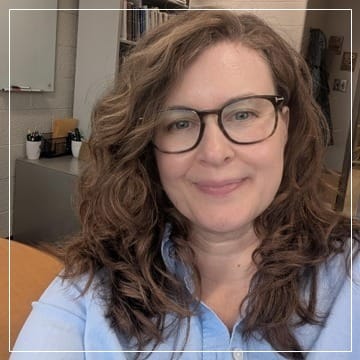
Professor Adrienne Adams
Professor of Psychology
Michigan State University
Adrienne Adams, Ph.D. is a professor in the Department of Psychology and a member of the Research Consortium on Gender-based Violence at Michigan State University. Her research focuses on economic abuse and the economic effects of domestic abuse for survivors. Dr. Adams developed and validated the first measure of economic abuse, the Scale of Economic Abuse (SEA), as well as an updated version of the instrument, the SEA-2. She has also studied whether victim-survivors’ and abusive partners’ personal financial health at the start of their relationships is associated with economic abuse during the relationship. Other topics Dr. Adams has examined include the economic and mental health impacts of job instability stemming from domestic abuse and the effects of adolescent dating violence on girls’ educational attainment and earnings in adulthood. Currently, Dr. Adams is studying the problem of coerced debt, a form of economic abuse that occurs when abusive partners create debt in their partners’ names using fraud, coercion, and/or manipulation. In addition to her research, Dr. Adams has expertise in evaluating community-based services and policies to address domestic abuse.
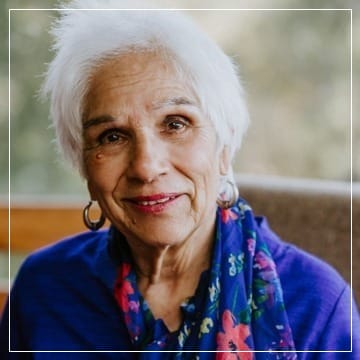
Supriya Singh
Adjunct Professor
La Trobe University
Professor Supriya Singh is a sociologist of money and migration. She is an Adjunct Professor with the Department of Social Inquiry, La Trobe University and a founding member of the Multicultural Women’s Alliance Against Family Violence.
Her research focuses on economic abuse, the sociology of money, migration and money, and the user-centred design of information and communication technologies.
Her current project is on ‘Talking (not talking) Money: Love, Power, Relationships.’ She also leads an IEEE Industry Connections Activity, ‘User-Centered Principles for Artificial Intelligence Used in Evaluating Family Violence.’
Her books include Domestic Economic Abuse: The Violence of Money (2021, Routledge), Money, Migration and Family: India to Australia (2016: Palgrave Macmillan), Globalization and Money: A Global South Perspective (2013: Rowman & Littlefield), and Marriage Money: The Social Shaping of Money in Marriage & Banking (1997: Allen & Unwin).
Economic Abuse in Focus: A Global Study
Economic abuse is a hidden form of control that affects millions of people worldwide, yet it often goes unrecognized in law and policy. This session will present the findings of a global research study, funded by the Oak Foundation, which explored the true extent of economic abuse. We will examine which countries have made progress in establishing legal protections and the stakeholders that need to respond.
We’ll also pose important questions: What don’t we know yet? And what does real economic justice looks like on a global scale?
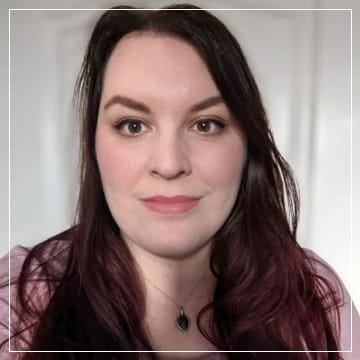
Dr Kathryn Royal
Senior Research Officer
Surviving Economic Abuse (SEA)
Dr Kathryn Royal is the Senior Research Officer at Surviving Economic Abuse (SEA), the only UK charity dedicated to raising awareness of and transforming responses to economic abuse. Kathryn completed her ESRC-funded PhD on sexual violence and the media at the Centre for Research into Violence and Abuse at Durham University and she also has extensive experience in providing emotional support to victim-survivors of abuse. Since joining SEA in 2018, she has made original contributions to the evidence base on economic abuse, including undertaking the largest international evidence review of economic abuse.
Leading Change: How Commonwealth Bank's Next Chapter Program Tackles Financial Abuse
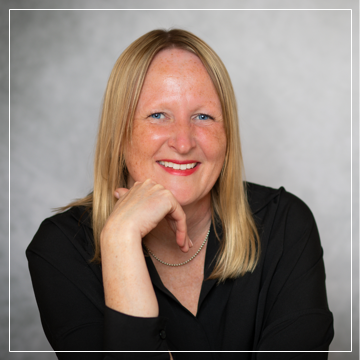
Dr Nicola Sharp-Jeffs OBE
Co-Founder and Head of Secretariat
International Coalition Against Economic Abuse
Dr Nicola Sharp-Jeffs OBE is a global expert on economic abuse. She is an Emeritus Research Fellow at the Child and Woman Abuse Studies Unit at London Metropolitan University, co-founder and Head of Secretariat at the International Coalition Against Economic Abuse and is an Advisor to the Empower Finance Alliance led by the International Finance Corporation. Nicola has worked in the violence against women and girls’ sector since 2006. She undertook the first piece of research on economic abuse in the UK and, in 2017 founded UK charity Surviving Economic Abuse which she led as CEO until May 2024. During this time, she pioneered practice, policy and legislative responses to economic abuse transforming the landscape for victim-survivors
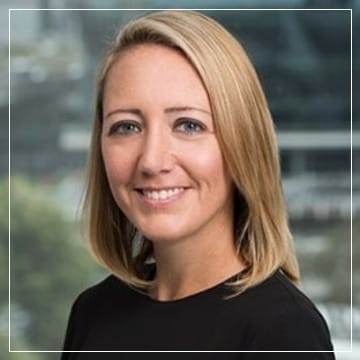
Angela MacMillan
Group Customer Advocate
Commonwealth Bank Australia
Angela first joined CommBank in 2010 as a member of the bank’s complaints team. In 2014, Angela accepted a role as CEO of the Nhulunbuy Corporation in the Northern Territory.
Angela returned to CommBank in 2016 and was appointed Group Customer Advocate in September 2019. In her role, Angela leads the Group Customer Advocacy and Vulnerability team which is focused on improving outcomes across the bank – particularly for those customers and communities in vulnerable circumstances – and leads the strategic delivery of CommBank’s Next Chapter program.
Outside of the bank, Angela sits on the boards of Mind Australia and Animal Management in Rural and Remote Indigenous Communities.
Fixing Child Maintenance: Advocating for Fairer Child Support
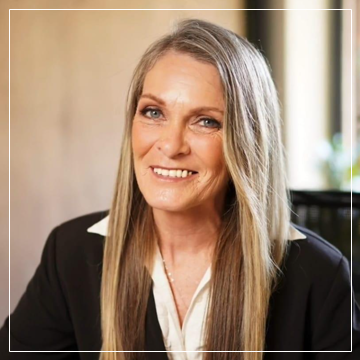
Felicity Guest
Financial Abuse Specialist and Founder
Child Maintenance Difficulties in South Africa
Felicity Ann Guest is a trailblazing South African social justice advocate, Financial Abuse Specialist, and the founder of Child Maintenance Difficulties in South Africa (CMDSA)—a national platform focused on ending economic abuse and advocating for the financial rights of women and children.
Pioneering the conversation around financial and economic abuse in South Africa, Felicity’s work is rooted in her lived experience navigating a broken maintenance system after her fraudulent divorce. Her personal struggle revealed a widespread, under-acknowledged crisis: despite research showing that over 50% of women in abusive relationships experience economic abuse, the issue remains poorly understood and grossly underrepresented in public discourse, policy, and support services.
In 2014, she founded CMDSA—a peer-support platform that now serves over 91,000 members. Felicity’s efforts have been instrumental in educating the public, corporates, and policymakers on how maintenance is weaponised post-relationship. 60% of mothers in South Africa receive no child support, and Felicity has made this injustice a cornerstone of her advocacy.
Felicity is an Internationally Accredited Financial Abuse Specialist and a respected contributor to legal and policy reform including the National Strategic Plan on Gender-Based Violence, where her insights on financial and maintenance-related abuse were adopted in the final plan.
Her groundbreaking work has earned national recognition. Felicity is the recipient of the Human Rights Award (2018), Ackerman’s Face of Change (2020), and the Mail & Guardian Women of Power – Law and Justice Award (2024).
She collaborates with government departments, researchers, corporates, and civil society to dismantle systemic barriers and build awareness around economic abuse, particularly through the lens of child maintenance.
Felicity continues to challenge institutional failure and shift narratives paving the way for a more just and equitable South Africa.
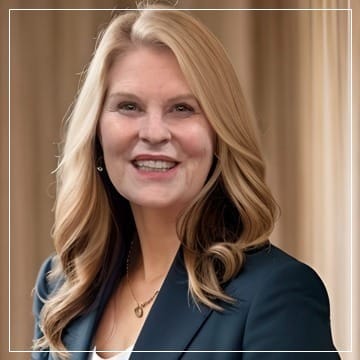
Terese Edwards
CEO
Single Mother Families Australia
Terese Edwards is the CEO of Single Mother Families Australia and has been a leading advocate for single mother families since 2009. She was recognised by the Prime Minister for her efforts to change social security law, specifically regarding the Parenting Payment (Single). Terese helps single mothers navigate complex support systems daily. She has collaborated on six academic papers on financial and systemic abuse (2019-2025) and regularly provides evidence before parliamentary inquiries. She has served on influential committees, including the Women’s Economic Equality Taskforce, the Child Support Stakeholder Consultation Group and the Parents Advisory Group. Terese has spoken at the United Nations and was honoured with an Unsung Hero Award in 2019 and a place in the South Australian Women’s Honour Roll in 2023
Beyond Survival: Financial Recovery for Women with Disabilities after Economic Abuse
Women with disabilities experience additional challenges and barriers to financial security during and beyond abuse. This session will explore what needs to change and how organisations can better uphold the human rights of survivors with disabilities.
Bonnie Brayton
Chief Executive Officer
DisAbled Women’s Network (DAWN) Canada
Bonnie Brayton, Chief Executive Officer (CEO) at DisAbled Women’s Network (DAWN)
Canada, is a recognized thought leader in both the feminist and disability movements in Canada and internationally. Her longstanding commitment to these intersecting causes has driven her active involvement in global feminist organizing for many years.
She is the Partner Liaison for the seven-year initiative “Engendering Disability-Inclusive Development” based at the University of Guelph. Bonnie is also an active member of the Gender & Trade Advisory Group at Global Affairs Canada. She has served as a member of the Federal Minister’s Advisory Council on Gender-Based Violence (WAGE) from 2016 to 2021 and, from 2020 - 2025, Bonnie has been a member of the Minister’s Disability Advisory Group (MDAG).
As a founding member of the Ending Violence Association of Canada , Bonnie has long championed collaborative efforts to end gender-based violence. She also served on the Steering Committee of La Maison Parent-Roback from 2008 to 2015. In addition to her leadership roles, Bonnie continues to use her writing and published work as a powerful tool to advance disability and gender justice; sharing insights, shaping narratives, and amplifying the voices of women with disabilities in Canada and around the world. She is also a recipient of the King Charles III Coronation Medal.
A passionate cyclist, Bonnie and her partner Delmar co-founded Team Cerulean in 2018, a small group of riders and rollers raising funds and awareness for the folks in their community.
Dr. Ramneek Dosanjh
Executive VP
North America for Medical Women”s International Association
Dr. Ramneek Dosanjh is an impassioned and visionary leader. She is the current President of the Federation of Medical Women of Canada and has recently spoken at the United Nations Commission on the Status of Women on advancing gender equity. She is a strong advocate for ending gender-based violence and preventing economic and financial abuse.
Dr. Dosanjh previously served as President of Doctors of BC, where she played an instrumental role in driving healthcare reform and primary care transformation across the province. She also created the first-of-its-kind Health and Justice Alliance—an intersectoral partnership between doctors and lawyers designed to transform the family justice system. She was recently appointed to the Collaborative Strategy Commission for Transforming the Family Justice System.
Her leadership extends to serving on the Physician Services Committee, the BC Coroners Service Illicit Drug Toxicity Death Review Panel, and the inaugural Provincial Digital Health Leadership Committee. She also served as President of BC Family Doctors (2018–2019), initiated the formation of the Provincial Child and Youth Mental Health & Substance Use Community of Practice, and contributed as a board member of Child Health BC for four years.
In addition to her leadership roles, Dr. Dosanjh is a dedicated family physician, hospitalist, and author. She is also a proud mother of three daughters. Fiercely committed to social justice and healthcare equity, she continues to disrupt systems and challenge the status quo to create meaningful change.
Julie Kun (she/her)
CEO Women with Disabilities Victoria and Director of Julie Kun Consulting
Working on the unceded lands of the Wurundjeri people of the Kulin Nation, Julie Kun is the Director of Julie Kun Consultancy, Acting CEO of Women with Disabilities Victoria, and Chair of Gender Equity Victoria. Julie’s career is defined by collaboration, strategic leadership and a deep commitment to intersectional, evidence-informed practice, driving strategic initiatives, transformative projects, and organisational capacity building. Her work focuses on advancing gender equity, disability rights, preventing economic abuse, and fostering social justice.
Career highlights include at the Australian Services Union leading the strategic campaign for the world’s first family violence leave clause in an industrial agreement and supporting and developing evidence-informed victim-survivor centred economic abuse and family violence projects and research. During her time as the CEO of WIRE building and embedding critical feminist, gender inclusive, intersectional practice.
Stephanie Feakes
Vulnerable Customer Lead
HSBC UK
Stephanie has 16 years’ experience at HSBC UK and is passionate about customer inclusion. As the leader of HSBC UK's financial inclusion and vulnerability strategy, Stephanie establishes and upholds the standards necessary to fulfil HSBCs aspirations and objectives. Through this strategy, she is dedicated to ensuring that customers receive fair treatment with bespoke and practical support that is tailored to their needs so that no one is left behind during times of need. Through collaborative and meaningful charity partnerships, her team have delivered several initiatives to include, the provision of bank accounts for those without a fixed address and those who have survived Human Trafficking/Modern Slavery, the delivery of HSBC UKs first accessible banking card, the Independence Service to help those with reduced mental capacity to remain financial independent for longer, and the introduction of Safe Spaces into the HSBC UK entire branch network.
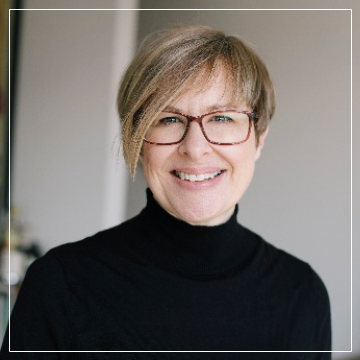
Rebecca Glenn
Co-founder ICAEA and founder and CEO of CWES
Rebecca founded the Centre for Women’s Economic Safety (CWES) to support women experiencing economic abuse in the context of domestic and family violence, and advocate for structural and systems change to better support women’s economic safety.
She has worked across the corporate, government and not-for-profit sectors in financial capability and communications, and has led numerous initiatives to improve financial wellbeing including at Australia’s largest bank and as inaugural CEO of non-profit, Financial Literacy Australia. Her Churchill Fellowship was awarded for her investigation into service responses to women experiencing or escaping economic abuse in the UK, USA and Canada.
Her charity, CWES, has been instrumental in driving awareness of, and improving responses to, economic abuse including by bringing Economic Abuse Awareness Day to Australia, inspiring a Parliamentary inquiry into financial abuse, and calling on banks to address the weaponisation of their products. It directly supports more than 500 victim- survivors a year.
She is a proud co-founder of the International Coalition Against Economic Abuse (ICAEA).